
Laser Hair Reduction
Laser Hair Reduction
Unwanted body hair is a common concern for many people. Traditional hair removal methods, such as shaving, waxing, threading, and hair removal creams, provide temporary results and often require frequent maintenance. Some people also experience skin irritation, ingrown hairs, razor bumps, or discomfort after using these methods. Laser hair reduction is a dermatological procedure that uses concentrated light energy to reduce unwanted hair growth over time.
Laser hair reduction targets the pigment (melanin) present in hair follicles. The light energy is absorbed by the pigment and converted into heat, which damages the hair follicle and reduces its ability to produce hair. Multiple sessions are generally required because hair grows in different cycles.
Understanding the procedure, suitability, possible outcomes, and aftercare can help individuals make informed decisions before considering treatment.
What Is Laser Hair Reduction?
Laser hair reduction is a non-invasive cosmetic procedure designed to reduce unwanted hair from different areas of the body. It uses specialised laser devices to target hair follicles while minimising damage to the surrounding skin.
The procedure can be considered for areas such as:
- Face and upper lip
- Chin and jawline
- Underarms
- Arms and legs
- Back and chest
- Bikini line
- Neck and shoulders
The treatment is commonly used by individuals looking for a longer-term hair reduction approach compared with conventional hair removal methods.
How Does Laser Hair Reduction Work?
Laser hair reduction works through a process called selective photothermolysis. During treatment, the laser produces a specific wavelength of light that is absorbed by melanin in the hair.
The absorbed light converts into heat, which affects the hair follicle and reduces its capacity to produce new hair.
The treatment mainly works on hair in the active growth phase, also known as the anagen phase. Since not all hair follicles are active at the same time, multiple sessions are needed to target hair during different growth cycles.
The type of laser, energy settings, skin tone, hair colour, and hair thickness influence the treatment approach.
Who Can Consider Laser Hair Reduction?
Laser hair reduction may be considered by individuals who want to manage unwanted hair growth on the face or body.
It may be suitable for people who:
- Experience frequent irritation after shaving or waxing.
- Have concerns about ingrown hairs.
- Want to reduce the frequency of conventional hair removal.
- Have unwanted facial or body hair.
- Prefer a longer-term hair reduction method.
However, suitability depends on individual skin and hair characteristics. People with certain skin conditions, active infections, recent tanning, or specific medical concerns may require additional assessment before treatment.
A dermatologist can evaluate the skin and recommend an appropriate approach.
Benefits of Laser Hair Reduction
Laser hair reduction offers several potential advantages when performed with appropriate equipment and settings.
1. Long-Term Hair Reduction
The procedure can reduce hair growth over multiple sessions. Some individuals may experience significant reduction, although maintenance sessions can be necessary.
2. Suitable for Different Body Areas
Laser treatment can be performed on several body areas, including the face, arms, legs, back, and underarms.
3. Reduced Ingrown Hair Concerns
By reducing hair growth, laser treatment may help individuals who frequently experience ingrown hairs associated with shaving or waxing.
4. Less Frequent Hair Removal
Individuals may require fewer shaving or waxing sessions after completing their recommended treatment course.
5. Targeted Treatment
Laser devices allow practitioners to adjust treatment settings according to the area being treated and individual skin characteristics.
What Happens During a Laser Hair Reduction Session?
The procedure generally involves several steps.
Step 1: Skin Assessment
The practitioner examines the skin, hair colour, hair thickness, and treatment area to determine suitability.
Step 2: Preparation
The treatment area is cleaned, and hair may be shaved according to the practitioner's instructions. Protective eyewear is provided.
Step 3: Laser Application
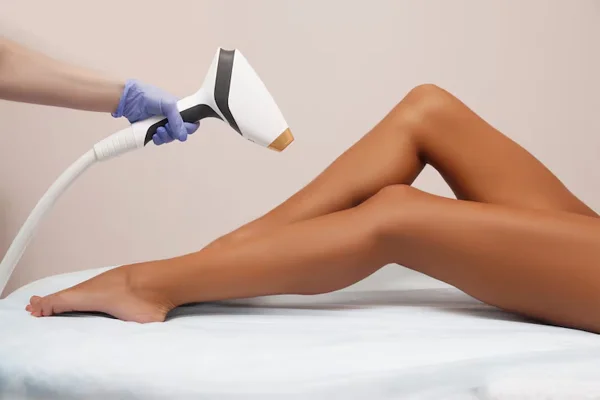
A handheld laser device is moved over the selected area. Short pulses of light target the hair follicles.
Step 4: Post-Treatment Care
The treated skin is examined, and cooling measures or soothing products may be recommended if required.
The duration depends on the size of the treatment area. Smaller areas may take only a few minutes, while larger areas require more time.
How Many Sessions Are Required?
Laser hair reduction generally requires multiple sessions because hair follicles respond differently depending on their growth cycle.
The number of sessions varies according to:
- Treatment area
- Hair density and thickness
- Hair colour
- Skin tone
- Hormonal factors
- Type of laser equipment
Sessions are usually spaced several weeks apart. Some individuals may also require maintenance sessions depending on hair regrowth.
Possible Side Effects of Laser Hair Reduction
Laser hair reduction is generally considered safe when performed by trained professionals using suitable equipment and settings. However, side effects can occur.
Common temporary effects include:
- Redness
- Mild swelling around hair follicles
- Temporary skin sensitivity
- Mild discomfort or warmth
Less common complications include blistering, burns, pigmentation changes, scarring, and eye injury if appropriate protection is not used.
A proper skin assessment and suitable laser selection help reduce potential risks.
Aftercare Tips Following Laser Hair Reduction
Following the recommended aftercare instructions helps protect the treated skin.
- Avoid direct sun exposure on treated areas.
- Apply broad-spectrum sunscreen to exposed skin.
- Avoid hot showers, saunas, and excessive heat temporarily if advised.
- Do not wax or pluck hair between sessions.
- Use gentle skincare products.
- Avoid harsh exfoliation until the skin has settled.
- Contact a dermatologist if unusual pain, blistering, or persistent irritation develops.
Laser Hair Reduction vs. Traditional Hair Removal Methods
|
Method |
General characteristics |
|
Shaving |
Cuts hair at the skin surface; results are temporary. |
|
Waxing |
Removes hair from the root; requires repeated sessions. |
|
Hair removal creams |
Chemically dissolve hair at or near the skin surface. |
|
Laser hair reduction |
Targets hair follicles to achieve longer-term hair reduction. |
Each method has different advantages and limitations. The appropriate choice depends on individual preferences, skin sensitivity, hair characteristics, and treatment goals.
Frequently Asked Questions (FAQs)
1. Is laser hair reduction permanent?
Laser hair reduction provides long-term hair reduction rather than guaranteed permanent hair removal. Some hair may regrow, and maintenance sessions may be required.
2. Is laser hair reduction suitable for all skin types?
Different laser technologies can be used for different skin types. However, selecting the correct device and settings is important to reduce the risk of complications.
3. Is laser hair reduction painful?
Some individuals experience mild discomfort, often described as a snapping or warm sensation. Comfort levels vary depending on the treatment area and individual sensitivity.
4. Can laser hair reduction be performed on the face?
Yes, selected facial areas such as the upper lip, chin, and sideburns can be treated following an appropriate skin and hair assessment.
5. Can I shave between laser hair reduction sessions?
Shaving is generally permitted between sessions, while waxing and plucking are usually discouraged because they remove the hair root targeted by the laser.
6. Are there any side effects of laser hair reduction?
Temporary redness, swelling, and sensitivity may occur. Less common complications include burns, pigmentation changes, and scarring.


