
Tattoo Removal
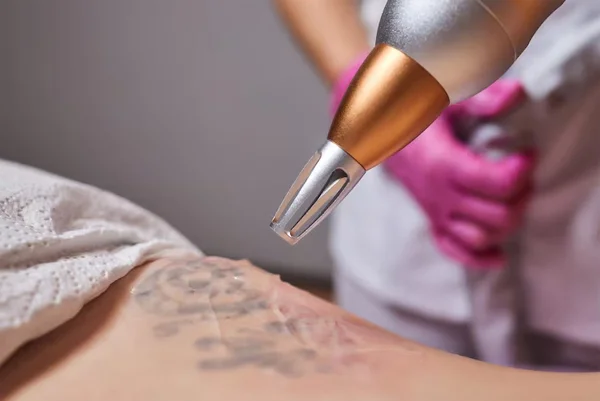
Tattoo Removal
Tattoo Removal: Methods, Laser Procedure, Results and Aftercare
Tattoos are often chosen as a form of personal expression, artistic interest, or remembrance. However, preferences can change over time, and some individuals may decide to remove an existing tattoo. Changes in lifestyle, professional requirements, personal choices, or dissatisfaction with tattoo design can influence this decision.
Tattoo removal is a dermatological procedure that aims to reduce or remove unwanted tattoo pigment from the skin. Several methods are available, but laser tattoo removal is commonly used because it can target tattoo ink while limiting damage to surrounding skin when performed appropriately.
The treatment approach depends on several factors, including tattoo size, ink colour, depth, age, skin type, and previous treatment history.
What Is Tattoo Removal?
Tattoo removal refers to procedures used to reduce or eliminate unwanted tattoo ink from the skin. Tattoo pigments are deposited into the deeper layers of the skin, which is why ordinary washing or exfoliation cannot remove a permanent tattoo.
Different removal methods work in different ways. Laser treatment uses specific light wavelengths to break tattoo pigment into smaller particles. These particles are gradually processed and eliminated by the body's immune system.
Complete removal is not always possible, and the outcome varies from person to person.
What Are the Different Tattoo Removal Methods?
There are several approaches to tattoo removal. The choice depends on tattoo characteristics and individual skin conditions.
1. Laser Tattoo Removal
Laser tattoo removal uses concentrated light energy to break down tattoo pigments into smaller particles. Different laser wavelengths target different ink colours.
Q-switched and picosecond laser technologies are commonly used for this purpose.
2. Surgical Tattoo Removal
Surgical excision involves removing the tattooed skin and closing the remaining wound with stitches. It may be considered for selected small tattoos.
However, this method leaves a surgical scar and is not suitable for every tattoo.
3. Dermabrasion
Dermabrasion involves mechanically removing layers of skin containing tattoo pigment. It is less commonly preferred because results can be unpredictable and scarring or pigmentation changes may occur.
4. Tattoo Removal Creams
Various products are marketed for tattoo removal. However, topical creams generally cannot reach the deeper layers where permanent tattoo pigments are deposited. Some products may also cause skin irritation or damage.
Professional assessment is recommended before choosing any tattoo removal method.
How Does Laser Tattoo Removal Work?
Laser tattoo removal works through selective photothermolysis and photoacoustic effects, depending on the laser technology used.
During the procedure, short pulses of laser energy are directed towards the tattoo pigment. The pigment absorbs this energy and breaks into smaller particles.
The body's immune system gradually processes and removes these particles over time.
Different ink colours absorb different wavelengths of light. Therefore, a combination of laser settings or wavelengths may be required for multicoloured tattoos.
The treatment generally requires multiple sessions because the ink is removed gradually rather than all at once.
Who Can Consider Tattoo Removal?
Tattoo removal may be considered by individuals who:
- No longer want an existing tattoo.
- Have a tattoo that no longer matches their preferences.
- Want to reduce the visibility of an old tattoo.
- Wish to modify or cover an existing tattoo.
- Have concerns about the appearance of a tattoo.
A dermatologist should examine the tattoo and surrounding skin before recommending treatment.
People with active skin infections, certain skin conditions, a history of abnormal scarring, or other relevant medical concerns may require additional evaluation.
Factors That Affect Tattoo Removal Results
Not every tattoo responds in the same way to treatment. Several factors influence the removal process.
1. Tattoo Ink Colour
Black and dark blue pigments often respond better to laser treatment because they absorb commonly used laser wavelengths. Green, yellow, red, and other colours may require different wavelengths and can be more difficult to remove.
2. Tattoo Age
Older tattoos may sometimes respond more easily because some pigment has already faded naturally over time.
3. Tattoo Size and Depth
Large tattoos and tattoos with deeply deposited or dense pigment may require more sessions.
4. Skin Type
Skin tone plays an important role in selecting suitable laser settings. Appropriate wavelength selection helps reduce the risk of pigmentation changes and other complications.
5. Ink Composition
Different tattoo inks contain different pigments and chemical components. Their composition influences how they respond to laser treatment.
6. Tattoo Location
The body's ability to clear fragmented pigment may vary depending on the location of the tattoo. Areas with good circulation may respond differently from areas with comparatively limited circulation.
What Happens During a Laser Tattoo Removal Session?
The procedure generally involves the following stages.
Step 1: Initial Consultation
The dermatologist examines the tattoo, including its colour, size, depth, and location. Skin type and medical history are also considered.
Step 2: Skin Preparation
The treatment area is cleaned. Protective eyewear is provided to protect the eyes from laser exposure.
Step 3: Laser Application
The laser device delivers short pulses of light to the tattooed skin. Patients may experience a snapping sensation or temporary discomfort.
Step 4: Immediate Skin Care
The treated area is assessed, and cooling or wound-care measures may be recommended.
The duration of each session depends on tattoo size, colour, and the technology used.
How Many Sessions Are Needed for Tattoo Removal?
Tattoo removal usually requires multiple sessions separated by several weeks. The exact number depends on the tattoo's characteristics and how the skin responds to treatment.
Factors that influence the number of sessions include:
- Ink colour and composition
- Tattoo size and density
- Depth of pigment
- Age of the tattoo
- Laser technology used
- Individual immune response
The skin needs time to heal and the body needs time to clear fragmented pigment between sessions. Therefore, treatment is generally performed at appropriate intervals rather than repeatedly over a short period.
Possible Side Effects of Laser Tattoo Removal
Laser tattoo removal is a commonly performed dermatological procedure, but it can have potential side effects.
Temporary effects may include:
- Redness and swelling
- Mild discomfort
- Skin sensitivity
- Temporary blistering or crusting
- Changes in skin pigmentation
Less common complications include scarring, infection, persistent pigmentation changes, and incomplete tattoo removal.
Some cosmetic tattoo pigments may also darken or change colour following laser exposure. Therefore, an appropriate assessment and, where indicated, a test spot may be recommended.
Aftercare Tips Following Tattoo Removal
Proper aftercare is important to support skin healing and reduce the risk of complications.
- Keep the treated area clean.
- Follow the wound-care instructions provided by the dermatologist.
- Avoid scratching, picking, or removing scabs.
- Protect the treated skin from direct sunlight.
- Use sunscreen after the skin has healed, as advised.
- Avoid swimming and excessive heat until the treated area has healed.
- Do not apply irritating skincare products to the treated area.
- Seek medical advice if you notice increasing pain, spreading redness, pus, or fever.
Laser Tattoo Removal: Important Things to Understand
Laser tattoo removal is a gradual process, and results cannot always be predicted with certainty. Some tattoos may fade considerably, while others may leave residual pigment or a faint outline.
It is important to have realistic expectations and understand that complete removal may not be achievable in every case.
A qualified dermatologist can assess the tattoo, explain suitable treatment options, discuss potential risks, and provide an estimated treatment plan.
Frequently Asked Questions (FAQs)
1. Is laser tattoo removal completely effective?
Laser tattoo removal can significantly fade many tattoos, but complete removal is not guaranteed. Results depend on ink colour, depth, tattoo size, and individual response.
2. How many sessions are required to remove a tattoo?
The number of sessions varies according to tattoo characteristics and skin response. Multiple sessions, usually separated by several weeks, are generally required.
3. Is laser tattoo removal painful?
Some individuals experience discomfort similar to a rubber band snapping against the skin. Cooling measures and other comfort options may be used when appropriate.
4. Can coloured tattoos be removed with a laser?
Yes, coloured tattoos can be treated, but different colours respond differently to laser wavelengths. Some colours are more difficult to remove than others.
5. Does tattoo removal leave scars?
Scarring is possible but not inevitable. Appropriate laser selection, professional treatment, and proper aftercare help reduce the risk.
6. Can I get a new tattoo after laser tattoo removal?
A new tattoo may be considered after the treated skin has completely healed. The appropriate waiting period should be discussed with a dermatologist and tattoo artist.


